
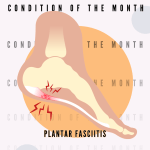
 Plantar Fasciitis: Why Your Feet Hurt and How Chiropractic Care Can Help
Getting to the Root of That First-Step-of-the-Morning Pain
What Is Plantar Fasciitis?
If you’ve ever swung your legs out of bed in the morning and felt a sharp, stabbing pain in the bottom of your heel the moment your foot hit the floor, there’s a good chance you’re dealing with plantar fasciitis. It’s one of the most common causes of heel and foot pain, affecting an estimated 2 million people in the United States each year.
The plantar fascia is a thick, fibrous band of connective tissue that stretches along the bottom of your foot, connecting your heel bone (calcaneus) to the base of your toes. It acts like a shock absorber and supports the arch of your foot with every single step you take. When this tissue becomes inflamed, irritated, or develops small tears, the result is the condition known as plantar fasciitis—and it can make even simple daily activities feel unbearable.
Common Symptoms
Plantar fasciitis has some telltale signs that set it apart from other types of foot pain:
- Sharp, stabbing pain in the bottom of the heel, especially with the first steps in the morning
- Pain that eases up after a few minutes of walking but returns after long periods of standing or sitting
- Heel pain that worsens after exercise or activity (not typically during it)
- Stiffness and tenderness along the arch of the foot
- Pain that gradually intensifies over weeks or months if left untreated
What Causes Plantar Fasciitis?
Plantar fasciitis develops when the plantar fascia is subjected to more stress and strain than it can handle. A combination of factors usually contributes:
- Overuse and repetitive stress: Jobs that require long hours on your feet, running, walking on hard surfaces, and high-impact activities put constant strain on the plantar fascia. Over time, this repetitive stress leads to microtears and inflammation.
- Tight calf muscles and Achilles tendon: The calf muscles and Achilles tendon are directly connected to how the plantar fascia functions. When these structures are tight, they pull on the heel and increase tension on the fascia with every step.
- Poor footwear: Shoes with minimal arch support, worn-out soles, or flat, unsupportive designs are a major contributor. Flip-flops, old running shoes, and dress shoes are common culprits.
- Biomechanical imbalances: Flat feet, high arches, overpronation (rolling inward), and abnormal gait patterns can all alter the way force is distributed across your foot, placing excess stress on the plantar fascia.
- Pelvic and spinal misalignment: This is the piece most people miss. When your pelvis, hips, or lower spine are out of alignment, it changes the way you walk and how your body distributes weight. One side may bear more load than the other, or your gait may shift in a way that overloads the plantar fascia—even if your feet themselves are structurally fine.
- Weight and lifestyle factors: Carrying excess body weight increases the load on the plantar fascia with every step. A sedentary lifestyle followed by sudden increases in activity can also trigger the condition.
- Age: Plantar fasciitis is most common between the ages of 40 and 60, as the fascia loses some of its elasticity and the fat pad under the heel thins over time.
Why Plantar Fasciitis Isn’t Just a Foot Problem
Most treatment approaches for plantar fasciitis focus exclusively on the foot—stretching, icing, insoles, cortisone injections, or even surgery. While these can provide temporary relief, they often fail to address the underlying reason the fascia became overloaded in the first place.
Your feet are the foundation of your entire kinetic chain. The way your ankles, knees, hips, pelvis, and spine align and move directly affects how force travels through your body with every step. If there’s a misalignment or dysfunction higher up in the chain—a rotated pelvis, a locked-up SI joint, restricted ankle mobility—your feet compensate. Over time, that compensation leads to excessive strain on the plantar fascia.
This is exactly why chiropractic care is so effective for plantar fasciitis. We don’t just treat the symptom—we find and correct the dysfunction driving it.
How Chiropractic Care Helps
- Spinal and pelvic adjustments: Correcting misalignments in the lumbar spine, pelvis, and sacroiliac joints restores proper biomechanics and ensures that your body distributes weight evenly. This takes excess pressure off the plantar fascia and allows it to heal.
- Extremity adjustments: Chiropractors can also adjust the joints of the ankle, midfoot, and toes. Restricted mobility in any of these joints can alter your gait and contribute to plantar fascia strain. Gentle adjustments restore proper movement and alignment throughout the foot.
- Soft tissue therapy: Myofascial release and targeted soft tissue techniques help break up adhesions in the plantar fascia, relax tight calf muscles, and improve blood flow to the area—accelerating healing and reducing pain.
- Gait and biomechanical analysis: We evaluate how you walk, stand, and move to identify the patterns that are contributing to your pain. This allows us to create a targeted plan that addresses your specific imbalances.
- Stretching and rehabilitation exercises: A personalized home care plan that includes calf stretches, plantar fascia stretches, and strengthening exercises helps support your recovery and prevent recurrence.
Tips for Managing Plantar Fasciitis at Home
- Stretch your calves and feet daily: Gentle calf stretches against a wall and rolling the bottom of your foot over a frozen water bottle can help reduce tension and inflammation.
- Wear supportive footwear: Choose shoes with good arch support and cushioning. Avoid walking barefoot on hard surfaces, especially first thing in the morning.
- Don’t push through the pain: Rest when you need to. Continuing to overload an inflamed plantar fascia only delays healing.
- Strengthen your feet: Towel scrunches and marble pickups with your toes help strengthen the small muscles that support your arch.
- Ice after activity: Applying ice to the bottom of your heel for 15-20 minutes after walking or exercise can help manage inflammation.
Don’t let heel pain keep you off your feet.
Schedule your appointment today at www.lifecitychiro.com
Life City Chiropractic — Because Your Health Deserves More Than a Quick Fix.